How to measure a drawer for an organiser
Measure the internal width and depth where the organiser will sit, then the clear height available as the drawer closes. Compare these with the exact model and the manufacturer's minimum drawer height. The drawer front's width and the tray's own height do not replace those checks.
Measure the space you can actually use
Empty the drawer and use a ruler or tape measure. Keep all measurements in one unit: 1 cm equals 10 mm. Measure the width at the front and back, near the base where the organiser will rest. If the sides slope, also check the space at the height the tray will occupy. Keep the smallest measurement within the area you intend to use.
Measure depth from the inside of the drawer front to the first obstruction at the back. Screws, joints and runner components can reduce the usable space. Check the opening through which you will insert the tray as well: having enough room at the base does not prove you can get it through the opening.
Check clearance as the drawer closes
Identify the lowest obstruction above the drawer, such as the frame, worktop or drawer above. Allow for utensil handles protruding above the organiser. Observe the travel without inserting anything that could jam it, and never force it shut.
Look for both the product's height and the manufacturer's minimum drawer height. If the latter is missing, it remains an outstanding check. Do not replace it with the tray height or a universal allowance: different designs need different clearance.
Worked example: a low tray can need a taller drawer
Consider a hypothetical drawer with 400 mm usable width, 420 mm depth and 75 mm clear height. This is an arithmetic example, not a tested cabinet.
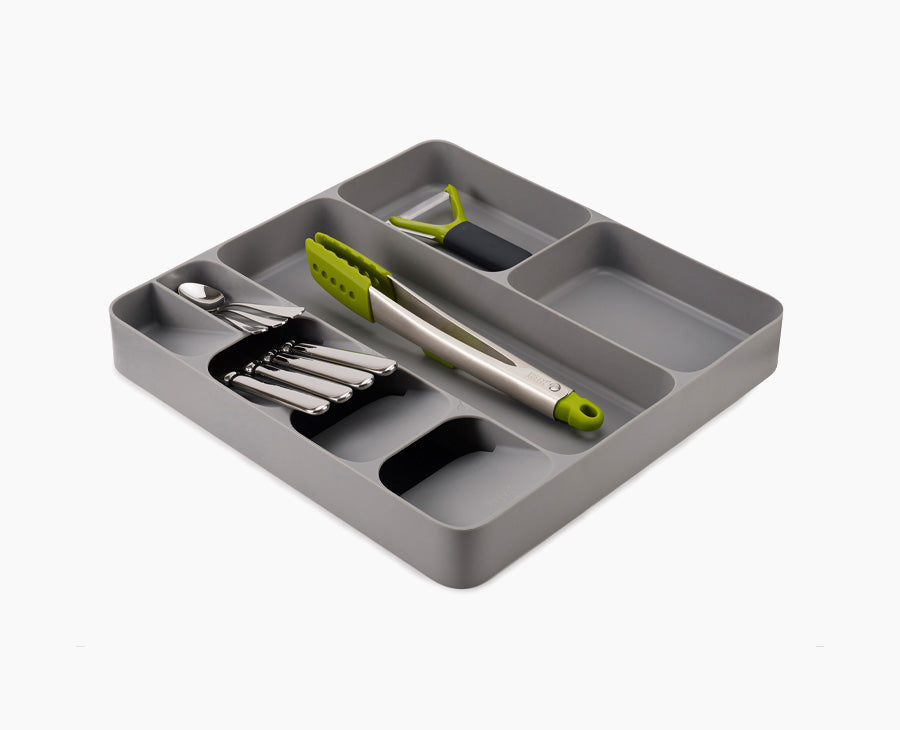
Joseph Joseph's official specification for the grey DrawerStore 85119 gives a width of 110 mm, depth of 395 mm and height of 57 mm, but requires a drawer at least 80 mm high. Although 57 is less than 75, the example drawer does not meet the 80 mm requirement. Extra width and depth do not resolve that height restriction.
The remaining depth would be 420 − 395 = 25 mm in total. This describes unused space; it does not establish the installation allowance required. The manufacturer source is listed below. The example does not imply that this variant is sold in every shop.
Copy this measurement checklist
- Internal width at front: ____ mm; at back: ____ mm; usable minimum: ____ mm.
- Depth to the first obstruction: ____ mm.
- Clear height throughout closing: ____ mm.
- Insertion opening, obstructions and inaccessible areas: ____.
- Model and variant; closed and extended width if adjustable: ____.
- Product depth and height; required minimum drawer height: ____.
- Missing or conflicting specification details: ____.
Repeat any uncertain measurement. If the product is close to the available limit, keep that uncertainty visible and check the instructions before buying. Do not round the available space upwards to make an option appear suitable.
Try the layout on paper
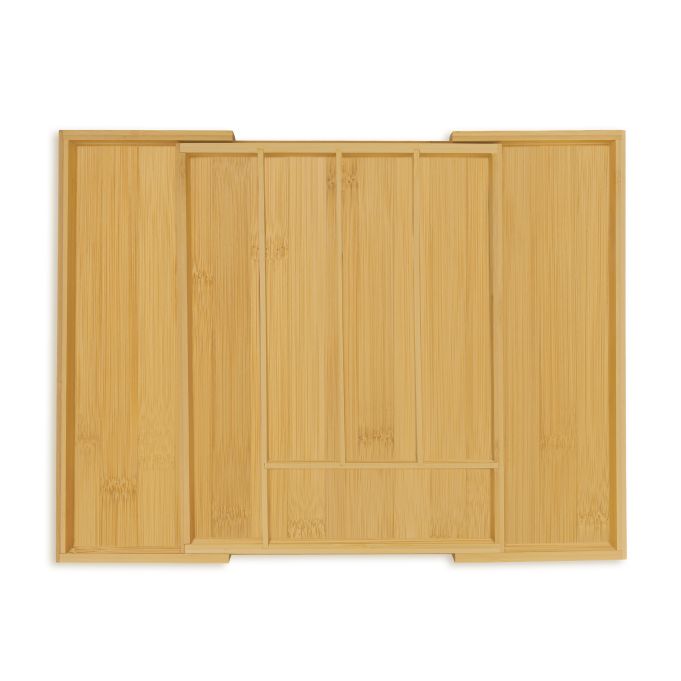
Cut a paper footprint using the documented external width and depth. Check where it can rest and how you would remove it, leaving space for utensils stored alongside. For an expandable tray, mark both its closed width and the extension you intend to use. Expanding it cannot reduce its minimum width.
A flat template helps rule out layouts but does not reproduce height, internal compartments or access to cutlery. Check your longest utensil and how much of the back remains accessible when open. Use your completed measurements with the product details below and the fixed-versus-expandable cutlery tray guide; unknown dimensions remain outstanding checks.
Documentary measuring guidance. The drawer in the worked example is hypothetical; it is not a physical test or an installation guarantee.
Updated:
Sources consulted
- Joseph Joseph DrawerStore 85119: especificaciones del fabricante — Joseph Joseph
Products to compare in this guide
Exterior dimensions and capacities as stated by each manufacturer; they do not replace the free space in your cupboard. Sorted by location and width, unrelated to commission.
amazon.co.uk · Affiliate link: Cubifora may earn a commission on purchases that meet the applicable requirements.
| Model | Location | Width | Depth | Height | Stated capacity | Compartments | Fixing type | View on Amazon |
|---|---|---|---|---|---|---|---|---|
| Joseph Joseph DrawerStore 85119, compact grey cutlery organiser | Drawer | 11 cm | 39.5 cm | 5.7 cm | No documented data | No documented data | No documented data | View on Amazon |
| Joseph Joseph 85169 · compact bamboo knife organiser | Drawer | 11.5 cm | 39.7 cm | 8.4 cm | No documented data | No documented data | No documented data | View on Amazon |
| Joseph Joseph 85168 · compact bamboo cutlery organiser | Drawer | 12.2 cm | 39.8 cm | 6 cm | No documented data | No documented data | No documented data | View on Amazon |
| Joseph Joseph DrawerStore 8500011 · Stone tiered cutlery organiser | Drawer | 12.6 cm | 39.7 cm | 6 cm | No documented data | No documented data | No documented data | View on Amazon |
| Joseph Joseph 8500013 · Stone compact two-tier knife organiser | Drawer | 17.05 cm | 39.75 cm | 5.95 cm | No documented data | No documented data | No documented data | View on Amazon |
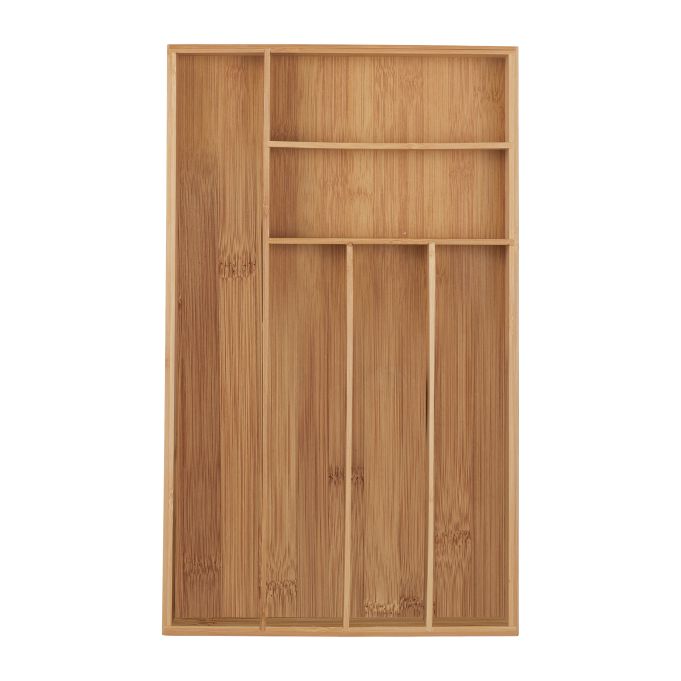
| Bamboo and MDF cutlery tray with 6 compartments · Relaxdays 10032177 | Drawer | 27.5 cm | 46 cm | 5 cm | No documented data | 6 | No documented data | View on Amazon |
| Expandable cutlery tray with 4 to 6 compartments · Relaxdays 10048098 | Drawer | 29–47.5 cm | 35.5 cm | 5 cm | No documented data | No documented data | No documented data | View on Amazon |
| Joseph Joseph DrawerStore 85042 · expandable grey cutlery tray | Drawer | 29–48 cm | 38 cm | 5.3 cm | No documented data | No documented data | No documented data | View on Amazon |
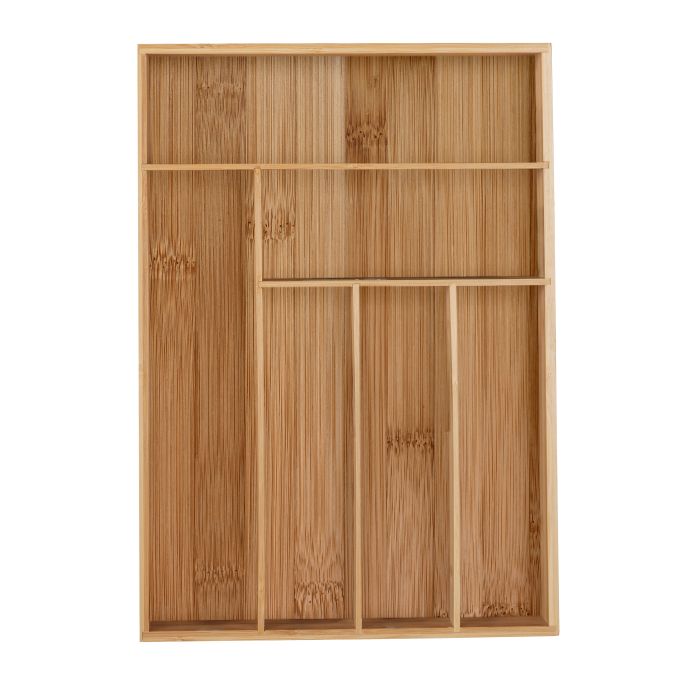
| Bamboo and MDF cutlery tray with 6 compartments · Relaxdays 10032178 | Drawer | 30.5 cm | 43 cm | 5 cm | No documented data | No documented data | No documented data | View on Amazon |
| Joseph Joseph 851696 · expanding bamboo cutlery and utensil organiser | Drawer | 32 cm | 40 cm | 6.8 cm | No documented data | No documented data | No documented data | View on Amazon |
| Joseph Joseph 85127 · grey cutlery, utensil and gadget organiser | Drawer | 38.4 cm | 39.7 cm | 5.3 cm | No documented data | No documented data | No documented data | View on Amazon |
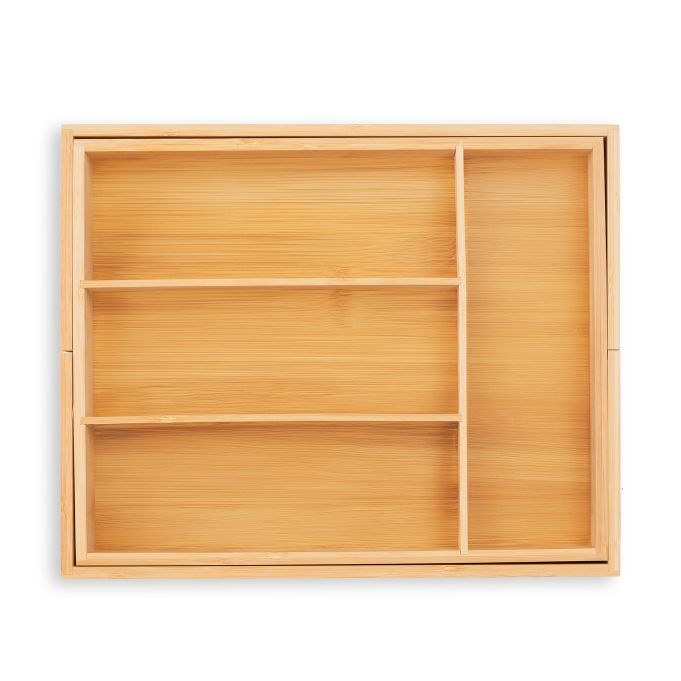
| Joseph Joseph DrawerStore 85170 · bamboo cutlery and utensil organiser | Drawer | 38.6 cm | 39.8 cm | 6.3 cm | No documented data | No documented data | No documented data | View on Amazon |
| Expandable bamboo and MDF cutlery tray · Relaxdays 10047511 | Drawer | No documented data | No documented data | No documented data | No documented data | No documented data | No documented data | View on Amazon |