Cabinet shelf organizers: measure space and plan access
Compare the support area, cabinet opening and usable storage space before choosing a shelf riser. Check access, mounting and documented load limits separately.
1 products with an Amazon linkGet organized. Make room.
Compare flatware trays and drawer dividers, cabinet shelf inserts and turntables for hard-to-reach jars, or kitchen carts for extra storage. Plan space for your things and enough room to reach them.
Choose what you need to organize and compare the dimensions of each product.
Compare the support area, cabinet opening and usable storage space before choosing a shelf riser. Check access, mounting and documented load limits separately.
1 products with an Amazon linkA fixed dish rack stays ready; a folding one can be stored away but needs both open and folded dimensions checked. Allow room for your largest dishes without hitting faucets or upper cabinets.
8 products with an Amazon linkLiters do not describe shelf space or the weight of food a container can hold. Check each item’s external width, depth and height with its lid; packaging dimensions are not jar dimensions.
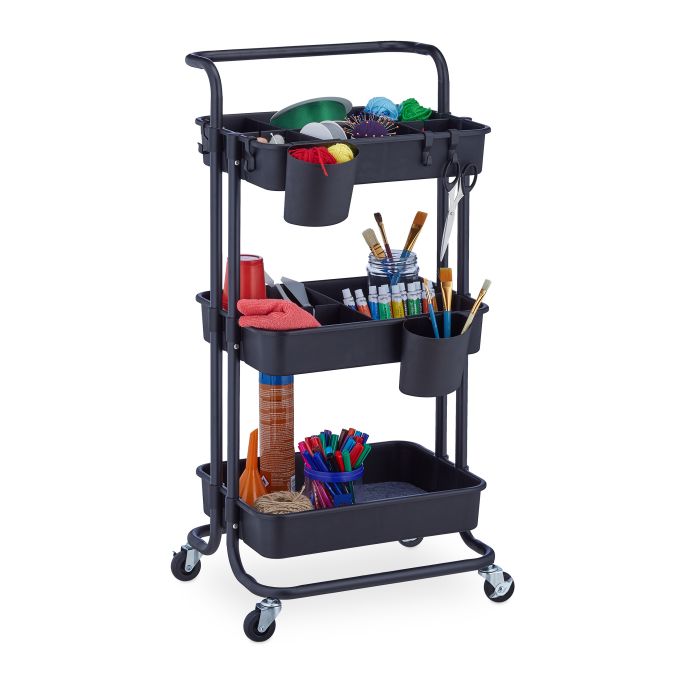
33 products with an Amazon linkChoose a kitchen cart by checking where it will stand, how it will move and what it will hold. Compare usable shelf space, loads, casters and assembly requirements.
1 products with an Amazon linkFind pot lid and utensil holders or dispensers for plastic wrap, foil and paper towels. Choose by task, usable dimensions, fasteners, and refill access.
7 products with an Amazon linkCompare capacity per container with the waste streams you produce. A small food-scrap container is not a composting system.
12 products with an Amazon linkA fixed tray leaves a predictable space beside it. An expandable tray adjusts within its documented range; extension cannot solve a minimum width that is already too large. Check compartment orientation before rotating a tray.
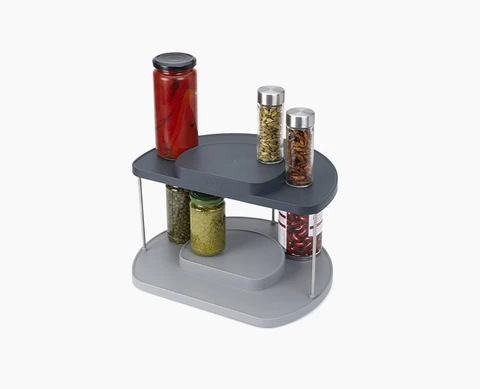
13 products with an Amazon linkA rotating rack needs clearance to turn and remove jars. A stepped rack needs enough height to read labels. In a drawer, measure the rack with jars in place.
4 products with an Amazon linkThe mounting and drilling details do not guarantee that the product can be installed in your cabinet.
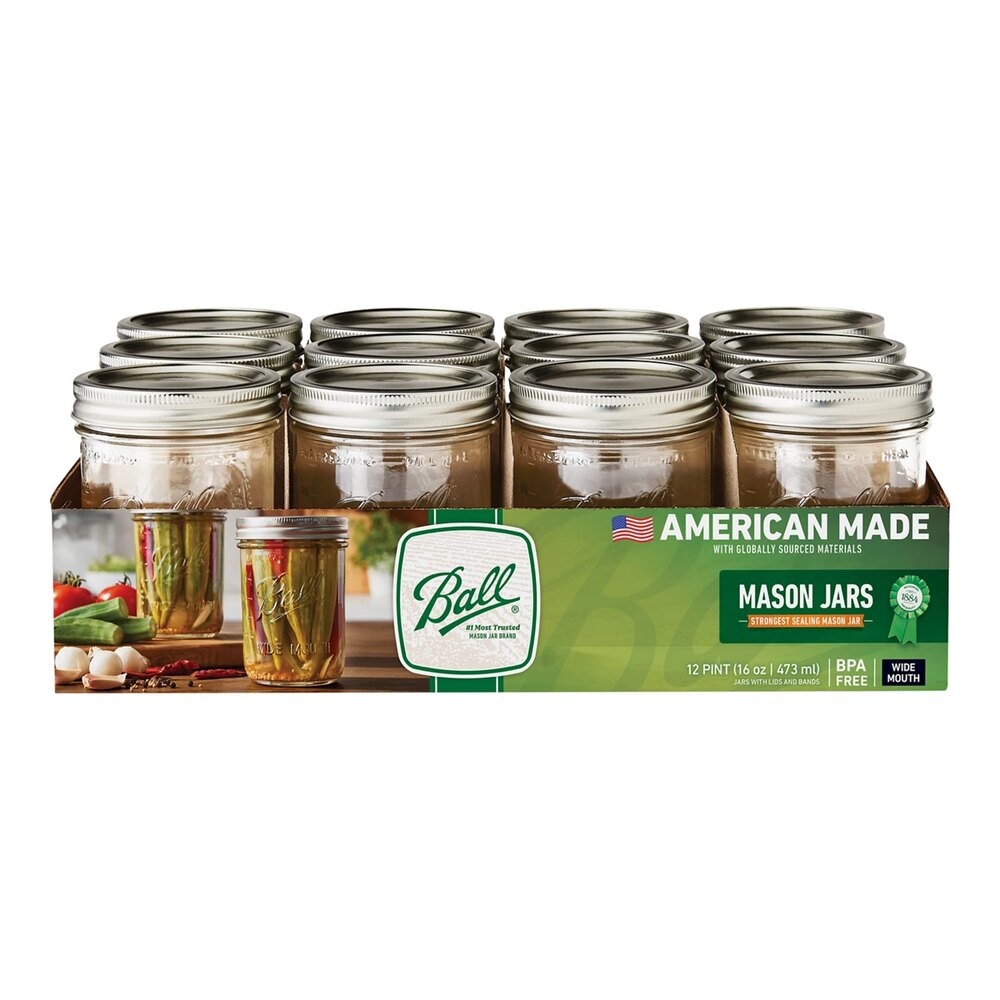
Twelve wide-mouth Ball Mason jars with lids and bands, holding 16 U.S. fluid ounces each. This is a U.S. pint, approximately 473 ml, not an imperial pint.
View dimensions, source and detailsThe mounting and drilling details do not guarantee that the product can be installed in your cabinet.
Minimum drawer height: no documented data. Product height does not replace this requirement.
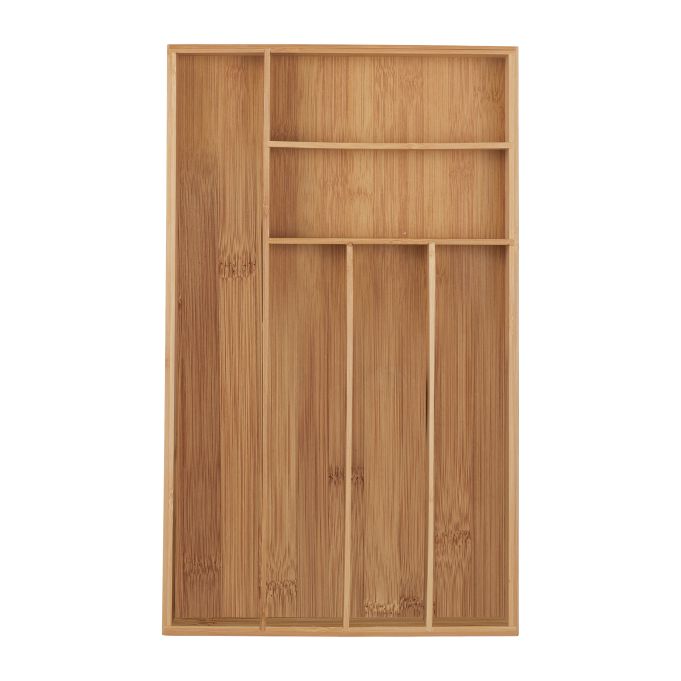
To separate cutlery and accessories in a compartment tray.
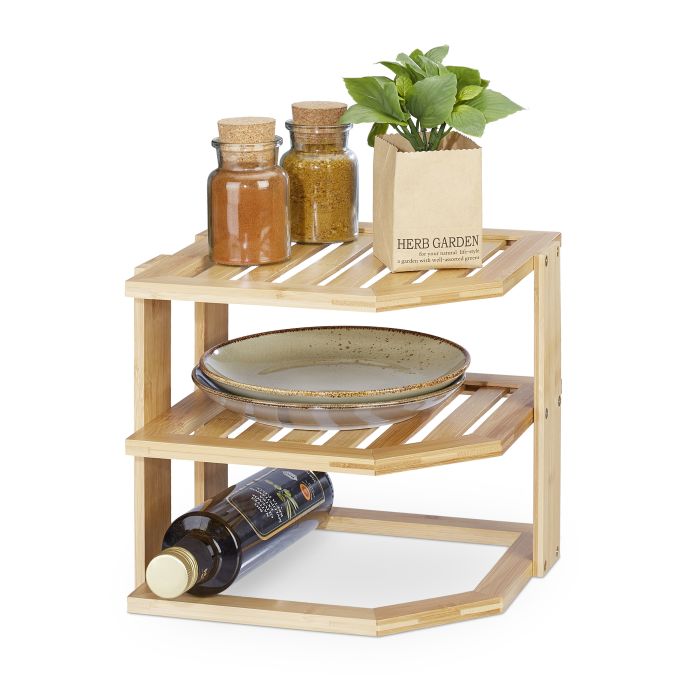
View dimensions, source and detailsRelaxdays 10036711: bamboo kitchen shelf with 3 levels. Dimensions approximately 24 x 27 x 25.5 cm (height x width x depth).
View dimensions, source and detailsThe mounting and drilling details do not guarantee that the product can be installed in your cabinet.
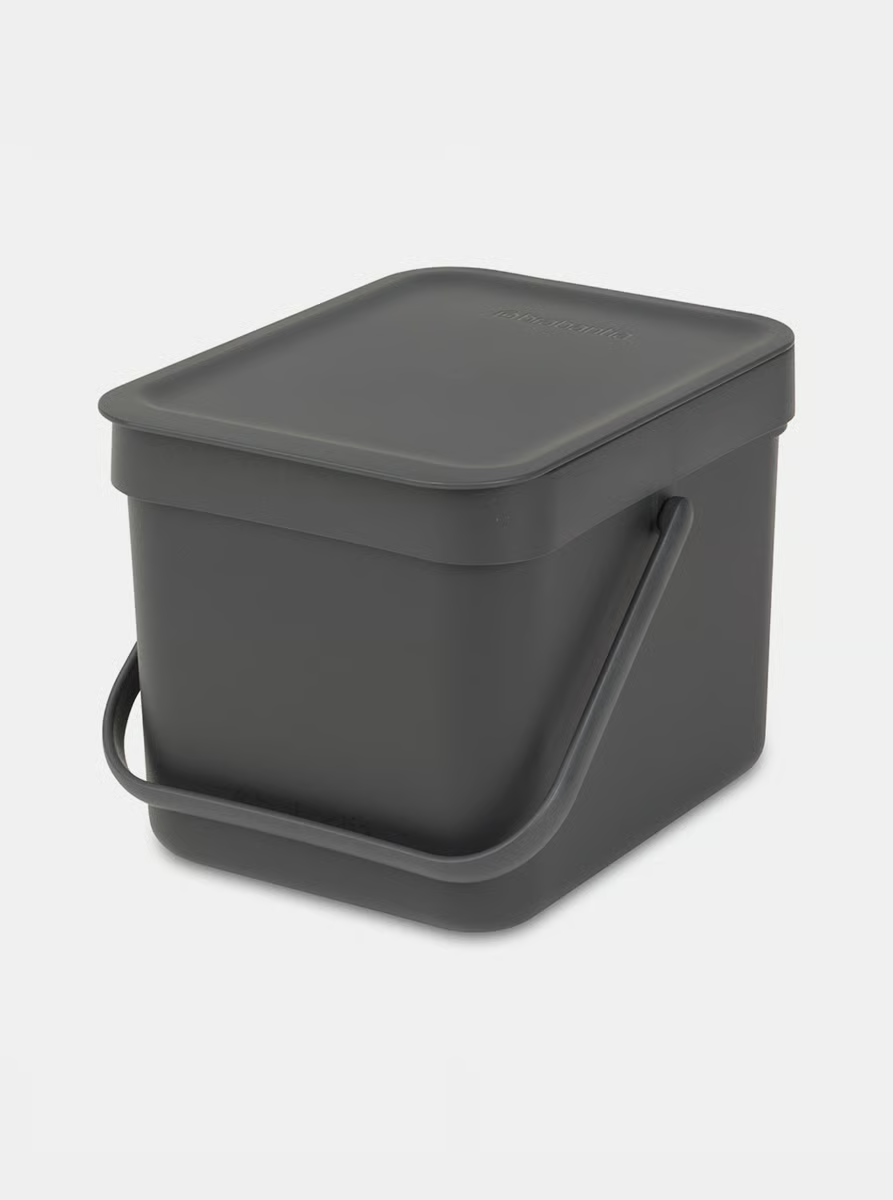
Food-scrap bin with a stay-open manual lid, carrying handle, and bottom grip for emptying.
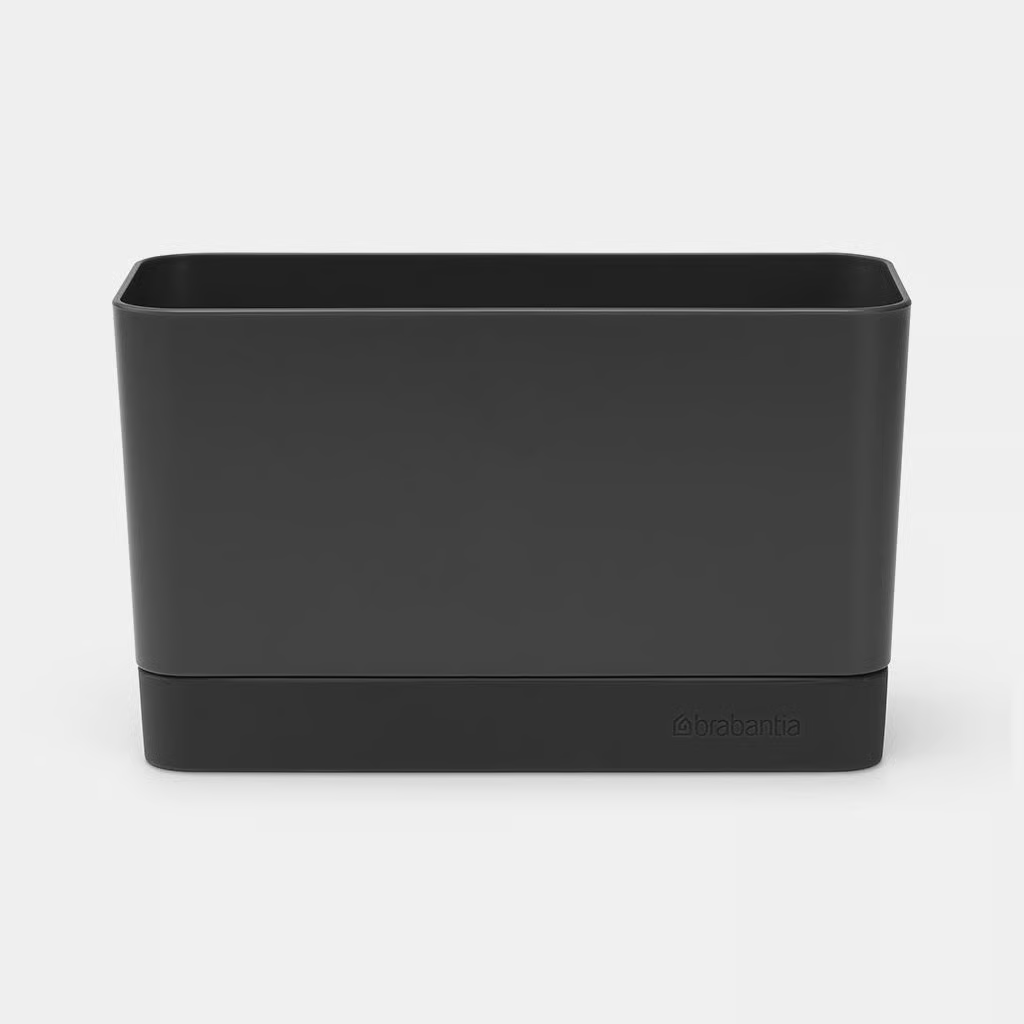
View dimensions, source and detailsDark gray countertop organizer for dishwashing tools, with a ribbed base and a removable silicone drip tray that collects water.
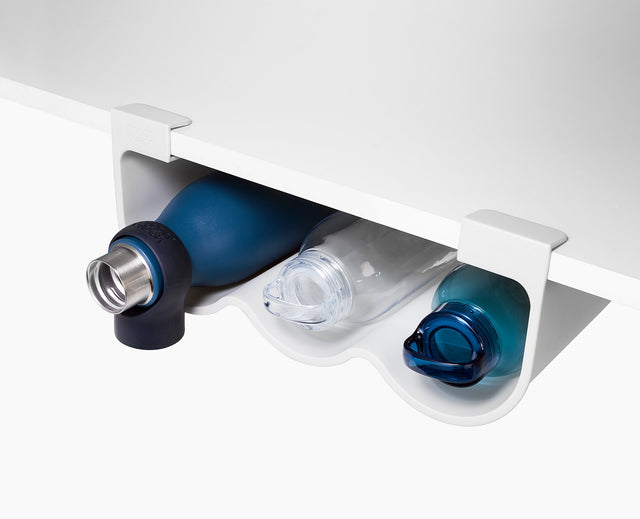
View dimensions, source and detailsCupboardStore Stone holder for up to three reusable bottles or travel mugs. Maximum diameter, total load, and manufacturer fittings documented.
View dimensions, source and detailsNominal width identifies a cabinet family, not the clear space available. Cabinets with the same nominal size can use different panels, hinges and construction. Record nominal size separately from internal measurements.
Check both ends of the adjustment range. A maximum length greater than your drawer width does not prove that the minimum is short enough. Distinguish product length from the manufacturer’s permitted working span.
Bottom mounting fixes to the cabinet base; side mounting uses its sides according to the system’s design. Neither method alone proves greater strength.
If making dinner starts with moving the dish rack, dish soap and dishcloth out of the way, look at how the space around your sink is divided. You do not need an accessory for every item. Decide what should stay within reach, what can go in the cabinet and where the water needs to drain. These catalog examples help you compare those choices.
If the silverware keeps getting mixed up with the tongs and can opener, start by sorting it on the countertop. A fixed tray may be enough for everyday flatware; an expandable one adds side compartments, while a narrow insert leaves part of the drawer for utensils. Choose around what you keep and the space inside the drawer, including room above the handles when it closes.
A little sauerkraut can go in a sandwich or accompany a salad or an omelet. You do not need several full jars to get started. Choose a batch you can monitor and make room for it in the refrigerator first. This guide explains the equipment, the order of work, and the difference between fermenting vegetables and adding vinegar.
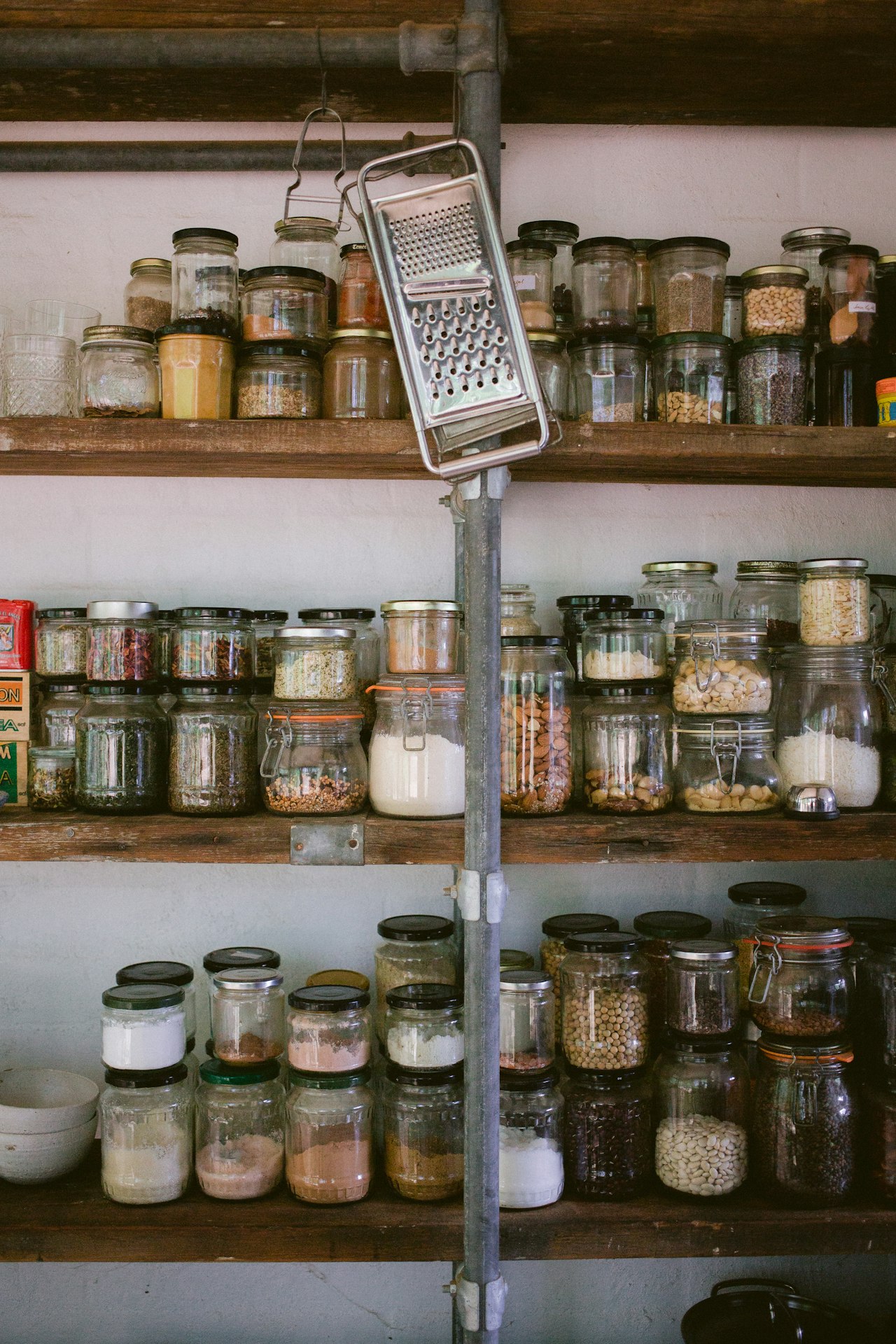
Finding the rice without moving three packages is a useful goal for a pantry refresh. Before buying a matching set, figure out what gets in your way now: open bags, jars that are too tall, or missing lids. The examples below connect those everyday problems to product pages, with the details to check before choosing a size.
Measure the inside width and depth where the organizer will sit, then the clear height available as the drawer closes. Compare those measurements with the exact model and the manufacturer's minimum drawer height. The drawer front's width and the tray's own height do not replace those checks.
Start with clear space, not the nominal cabinet width. A 40 cm module includes panels, hinges and possibly services that storage cannot occupy. Empty the area and open the door to its normal usable position.
If one bag is full while the other bins are almost empty, start by looking at how the capacity is divided. More space overall may not solve the problem. Decide what you will separate in the kitchen and where you want to put it, then compare a cabinet system, individual bins or a small food scrap container beside your prep area.
A useful household food reserve is food you rotate through everyday meals. In the United States, tested home-canning guidance and Mason jar systems are widely documented, but dry pantry storage, freezing, and canning still solve different problems. This guide helps you choose the method first and the equipment second.
Choose a system for the pantry, freezer or home-canned foods, with practical advantages, limits and checks before buying.
A loose basket is lifted or carried as a whole. A pull-out uses a sliding mechanism. Decide how you want to reach the contents before comparing models.
Use the manufacturer documentation and the selected store variant together. The aim is to detect specific differences, not obtain a universal installation guarantee.
For U.S. shoppers, we prioritize useful products with documented U.S. manufacturing. Explore the selected Ball jars and replacement lids, alongside other manufacturers in our catalog.
Start with the objects you need every day and those you can keep further back or higher up. Rearranging them may help more than adding another shelf.
Map the trap, pipes, valves and sink bowl before measuring. Width and height taken in different places do not necessarily describe one usable space.